A phone-free morning routine you can start tomorrow
A phone-free morning means the first 30 minutes after waking happen without feeds or news. Use an alarm clock instead of the phone, park the phone outside the bedroom, plan three simple steps for the half hour, and keep a pause on feed apps until after breakfast. Start with 15 minutes and add more.
Coming soon to iPhone
Why does the first half hour matter?
The start of the day sets the pattern. If the first thing you see is a feed, your attention begins in reaction mode: other people's news, other people's plans. If the first thing is something you chose, you tend to carry some of that into the rest of the day. This is not a scientific law, but it matches how many people describe their mornings.
There is also a practical benefit. The half hour after waking is often the quietest time you have. Giving it back to yourself costs nothing but the habit.
What do you need?
Four items, and none is expensive.
If you cannot leave the phone outside, keep it face down and out of reach, with Sleep Focus on until a set time.
- An alarm clock that is not your phone.
- A parking spot for the phone outside the bedroom or across the room.
- A short plan for the first 30 minutes.
- A pause on feed apps for the morning, if you want a backup.
What does a 30-minute morning look like?
This is a sample, and you should change it. The structure matters more than the content.
Notice that nothing here needs willpower. Each step flows into the next, and the plan is on paper where you can see it. After 30 minutes, the phone is a tool again, not a reflex.
| Minutes | What to do |
|---|---|
| 0 to 5 | Water, wash, open the curtains |
| 5 to 15 | Move: stretch, a short walk, a few squats |
| 15 to 25 | Breakfast or coffee, no screen |
| 25 to 30 | Write the day's top three things on paper |
How do you set up the iPhone?
Use Sleep Focus with a schedule that ends at your wake time plus half an hour. Apple documents it in the guide to turning Sleep Focus on or off. Let through calls from family, and mute the rest. The Lock Screen stays quiet until the Focus ends.
An automation can extend the idea. A Shortcuts trigger that runs when the Sleep Focus turns off can open a note with your three things, so your first screen is a plan and not a feed. The guide to phone-use automations lists the triggers.
Can you add a pause for feeds?
Yes, and it helps on the day you forget the plan. Ebb, an iPhone app in development, has a Morning rule in its Pro plan that covers the first 60 minutes after your wake time with 60-second rounds. You set your wake time in the app. The rule is a pause, not a lock, so you can still pass and open the feed. The page on pass costs explains how the rules fit with the daily limit.
What do you do about the alarm?
Buy a basic alarm clock. It costs less than a case for your phone and removes the most common excuse. If you must use the phone, put it on the far side of the room so that you have to stand up. Switch the alarm off, and walk away from the phone before you do anything else.
What about messages and work?
Most mornings contain nothing urgent. If you have a reason to be reachable, use the Focus allow list for the specific people who might need you. If you work with other time zones, agree a morning window to check. Telling people that you reply after 9 gives them a clear expectation and takes the pressure off you.
What if you slip?
You will, some mornings. Do not turn it into a verdict. Notice the first thing you opened and what you hoped to find. Then start the routine again at the next step. A routine that survives slips beats a perfect one that breaks on the first miss.
Start with the first 15 minutes for a week, then extend to 30. Habits grow best in small steps.
Which mornings are the hardest?
Workdays with early alarms and children to get out of the door leave little room for a plan, and weekends offer too much. For hurried mornings, shrink the routine to ten minutes: water, a stretch, the day's three things. For loose weekend mornings, choose one fixed activity, such as a walk or a bake, to give the time a shape.
How do you cope with news anxiety?
Some people open the phone first thing to check for bad news. The pull is real, and the news will still be there at nine. Choose a time to look and write it on your plan. When the urge comes, tell yourself the time you will check. Knowing there is a plan reduces the pull more than you would expect.
What results should you expect?
Do not expect a big shift in a week. Expect to notice the quiet. You may feel bored at first, then calmer, and by week three you may find your morning attention has a different texture. If you want numbers, compare your pickups before 9 am before and after, in Screen Time.
How do you involve the people you live with?
Tell them the plan and ask for support. A partner who also parks their phone makes the habit nearly automatic, and children copy what they see. Agree on a shared parking spot, such as a basket in the hall. If someone else needs to be reachable early, let them keep theirs on, and agree what counts as an emergency so that you do not argue about it at seven o'clock.
What if you work shifts or travel often?
Anchor the routine to waking, not to the clock. Your first 30 minutes after waking can follow the same three steps in any time zone: water, movement, a plan. Pack a small travel alarm clock, and use Sleep Focus in the hotel as at home. A routine tied to an action survives a change of place far better than one tied to a time.
Frequently asked questions
How long should I stay off my phone in the morning?
Start with 15 minutes and extend to 30 or 60. Any amount helps more than none.
What should I do instead of checking my phone in the morning?
Drink water, move, have breakfast and write your top three tasks on paper.
Should I use my phone as an alarm?
A separate alarm clock is easier. If you use the phone, place it across the room.
How do I stop checking messages first thing?
Use a Sleep Focus that ends later than your wake time and tell people when you reply.
Does Ebb have a morning feature?
In Pro, a Morning rule makes the first 60 minutes after your wake time use 60-second rounds. It is a pause and not a lock.
Keep exploring
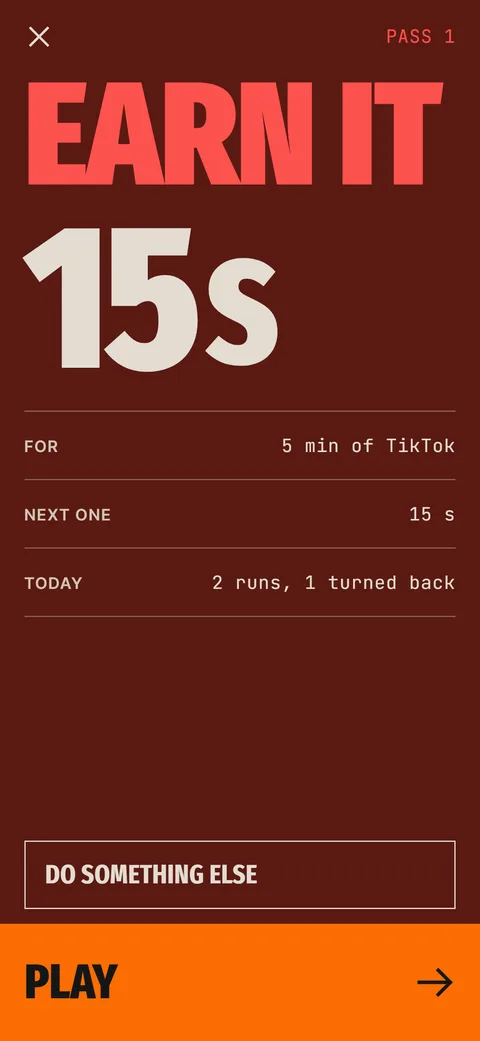 Ebb Pass CostsRounds of 15, 30 and 60 seconds, a daily pass limit and optional Morning and Night rules.